Ricoh GR IV Monochrome Review: A Pocketable Camera Built Entirely for Black and White
Disclosure: I own the Ricoh GR IV Monochrome reviewed here. I purchased it with my own funds and am not sponsored by Ricoh or any other camera or lens manufacturer. All opinions are my own.
The Ricoh GR series has long held a legendary status among street photographers, prized for its “pocket rocket” philosophy: a professional-grade sensor packed into a body that actually fits in a jeans pocket. With the release of the Ricoh GR IV Monochrome, Ricoh has doubled down on this niche, stripping away the color to create a dedicated tool for those who see the world in shades of gray.
In this review, we’ll explore whether this specialized compact camera is a must-have for your everyday carry or a luxury too far for the photographer enthusiast.
What is the Ricoh GR IV Monochrome?
The Ricoh GR IV Monochrome is not just a standard camera with a “black and white” filter turned on. It is a precision instrument designed from the ground up to capture light without the interference of color.
By removing the Bayer (color) filter, every one of its 25.74 million pixels is dedicated purely to measuring brightness. This “subtraction for the sake of addition” unlocks a level of clarity, low-light performance, and tonal depth that standard digital cameras struggle to replicate. It features a fixed 18.3mm f/2.8 lens (providing a classic 28mm wide-angle view), making it an ideal companion for documentary and travel photography.
Build, Design, and Handling
True to the GR heritage, the Ricoh GR IV Monochrome is a masterclass in minimalist design.
- Tactile Stealth: The magnesium-alloy body features a unique matte black finish. Even the logos are darkened, and the power button light is a subtle white to maintain the aesthetic.
- One-Handed Mastery: Every essential control is reachable with your right thumb or forefinger.
- The “Red Filter” Button: A new physical Fn-button allows you to toggle a digital “Red Filter” instantly, which darkens blue skies and adds dramatic contrast to your clouds—mimicking classic film techniques.
- Storage & Battery: In a move toward modern standards, it uses a microSD card slot and features a massive 53GB of internal memory, ensuring you can keep shooting even if you forget your card.
Comparison: Ricoh GR IV Monochrome vs. Leica Q3 Monochrom
When discussing dedicated monochrome cameras, the “elephant in the room” is the Leica Q3 Monochrom. Here is how they stack up for the amateur buyer:
| Feature | Ricoh GR IV Monochrome | Leica Q3 Monochrom |
| Price | ~$2,199 | ~$7,790 |
| Weight | 262g (Pocketable) | 746g (Neck-strap territory) |
| Sensor | APS-C (25.74MP) | Full-Frame (60.3MP) |
| Lens | 28mm f/2.8 | 28mm f/1.7 |
While the Leica offers a larger sensor and a luxury viewfinder, the Ricoh GR IV Monochrome offers the “stealth” factor. For a street photographer, the Ricoh provides the vast majority of the “monochrome magic” at a third of the price and a fraction of the weight.
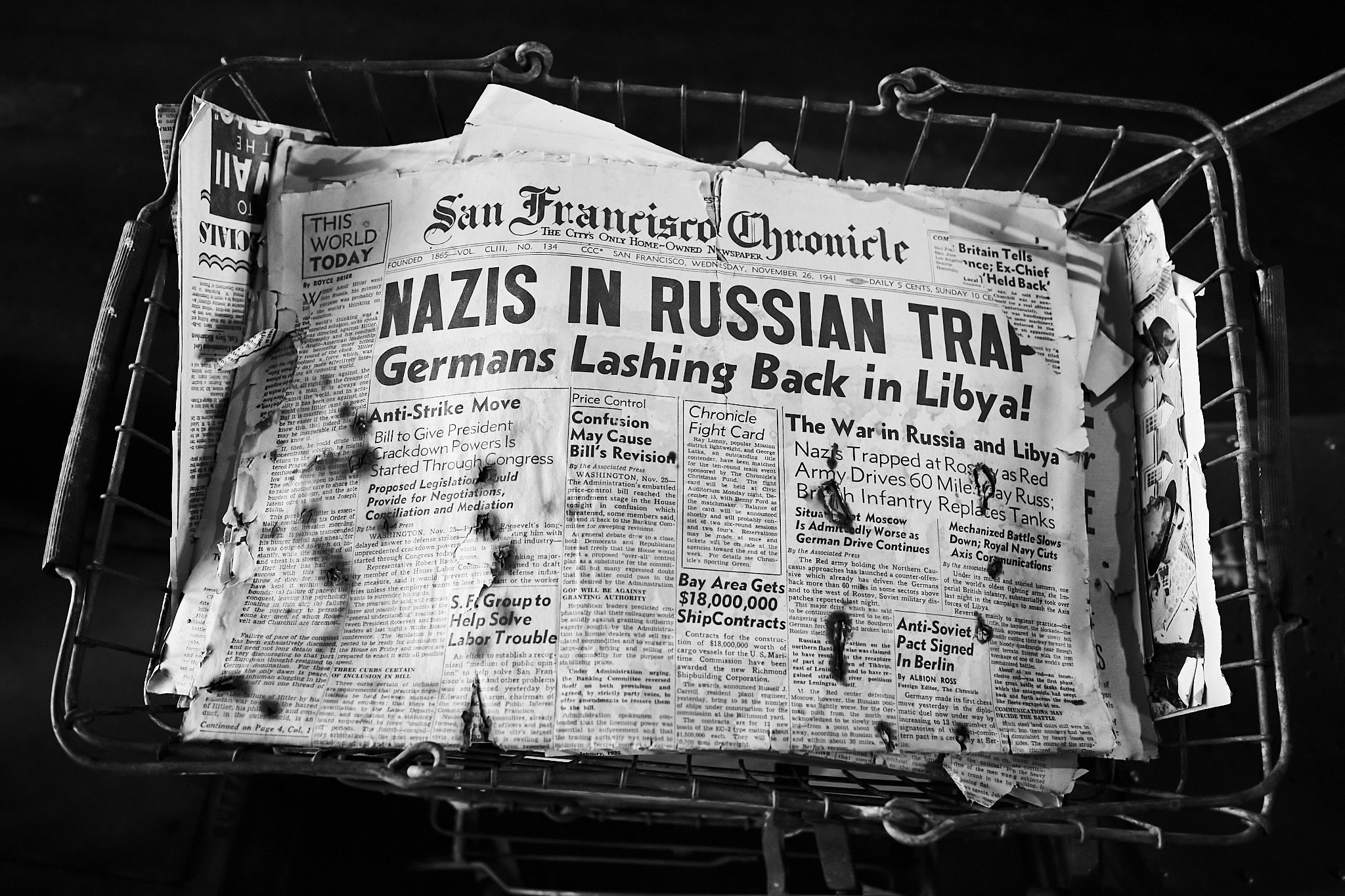
Monteverde Store Museum
The Monteverde Store Museum in Sutter Creek is one of California’s most remarkable time capsules, offering a rare, untouched look at Gold Country life from over a century ago. Opened in 1896 by John Monteverde and his son, the store served as a vital community hub for decades, stocking everything from penny candy and apparel to hardware and dry goods. When the Monteverde sisters, Mary and Rose, finally closed the doors to the public in 1971, they famously placed a hand-written “Closed for a few days” sign in the window—a sign that remained for over twenty years. Because the family left the inventory exactly as it was, the building was reopened as a museum in 1992 with the original goods still sitting on the shelves. Today, visitors can see authentic artifacts like vintage wallpaper samples, bulk products, and an intricately carved oak icebox, all preserved in their original 19th-century context.
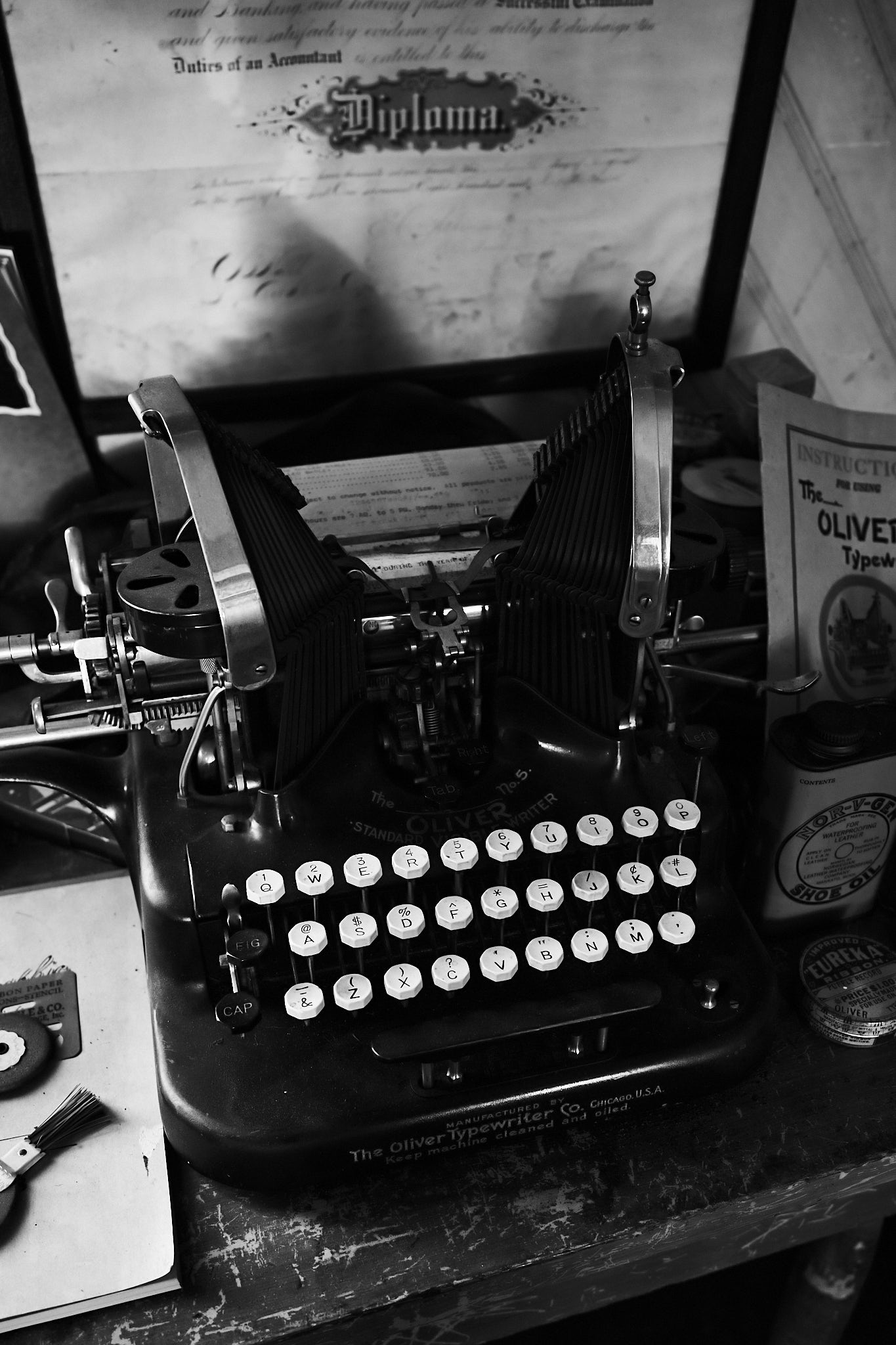
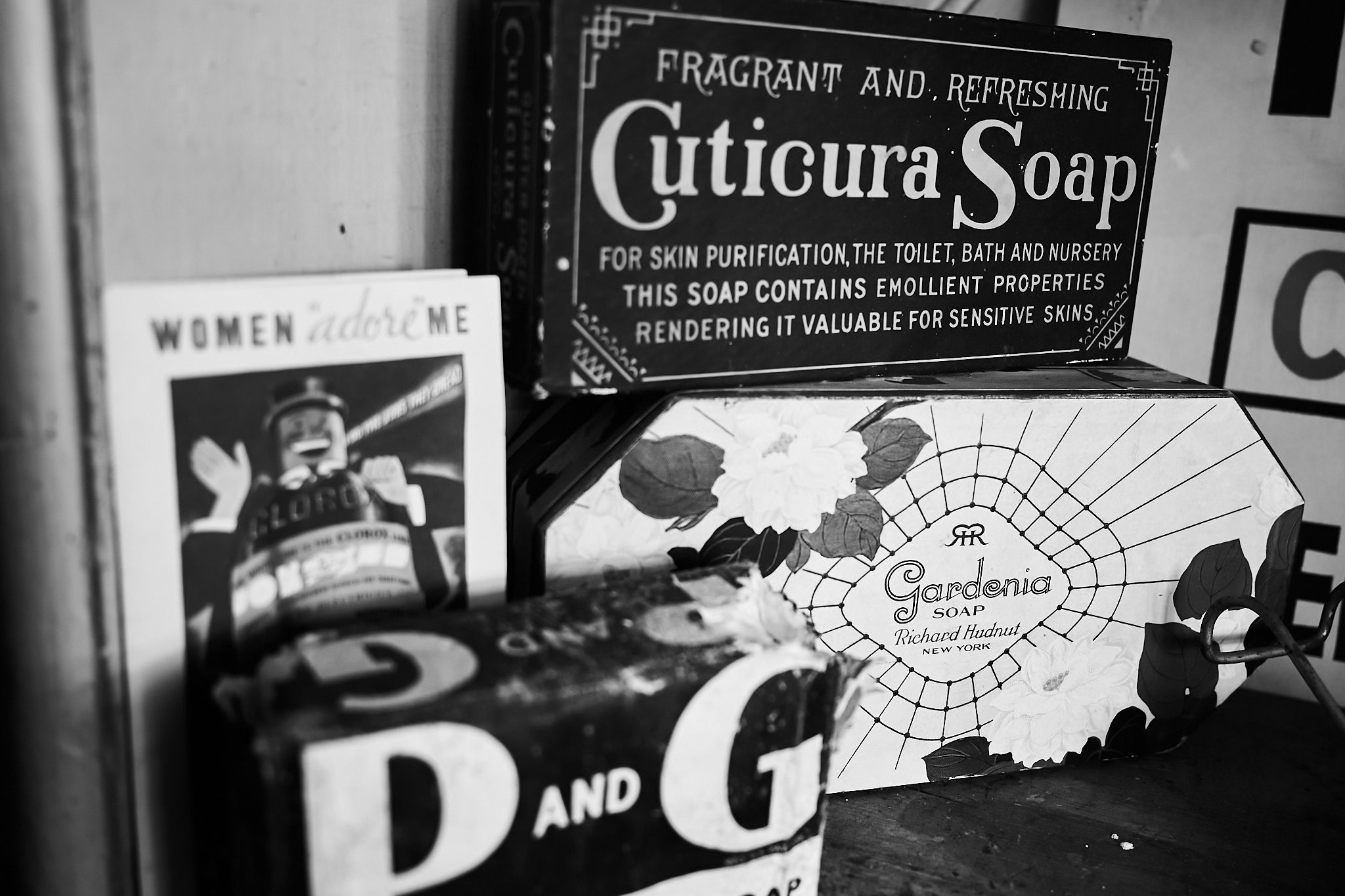
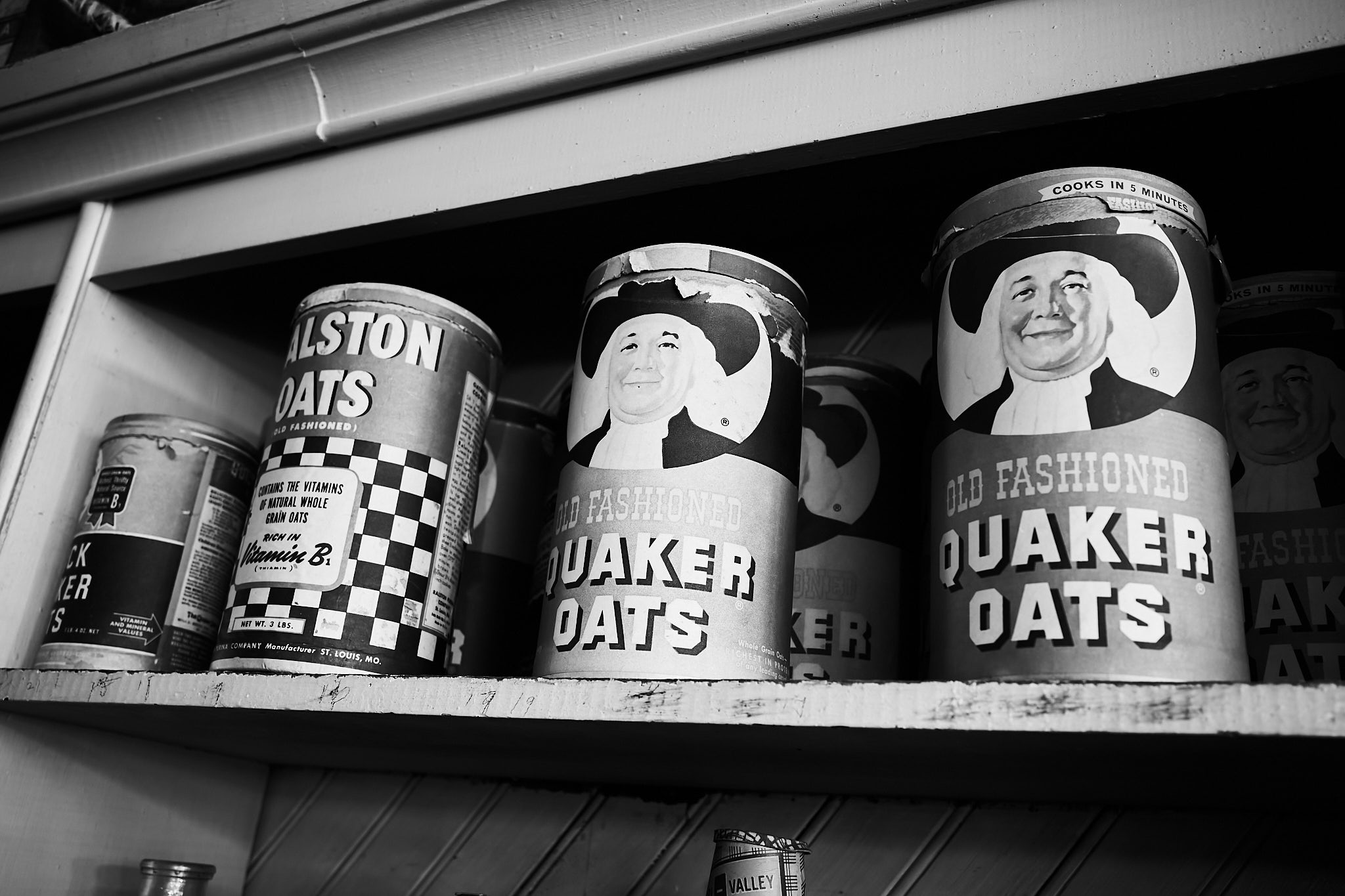
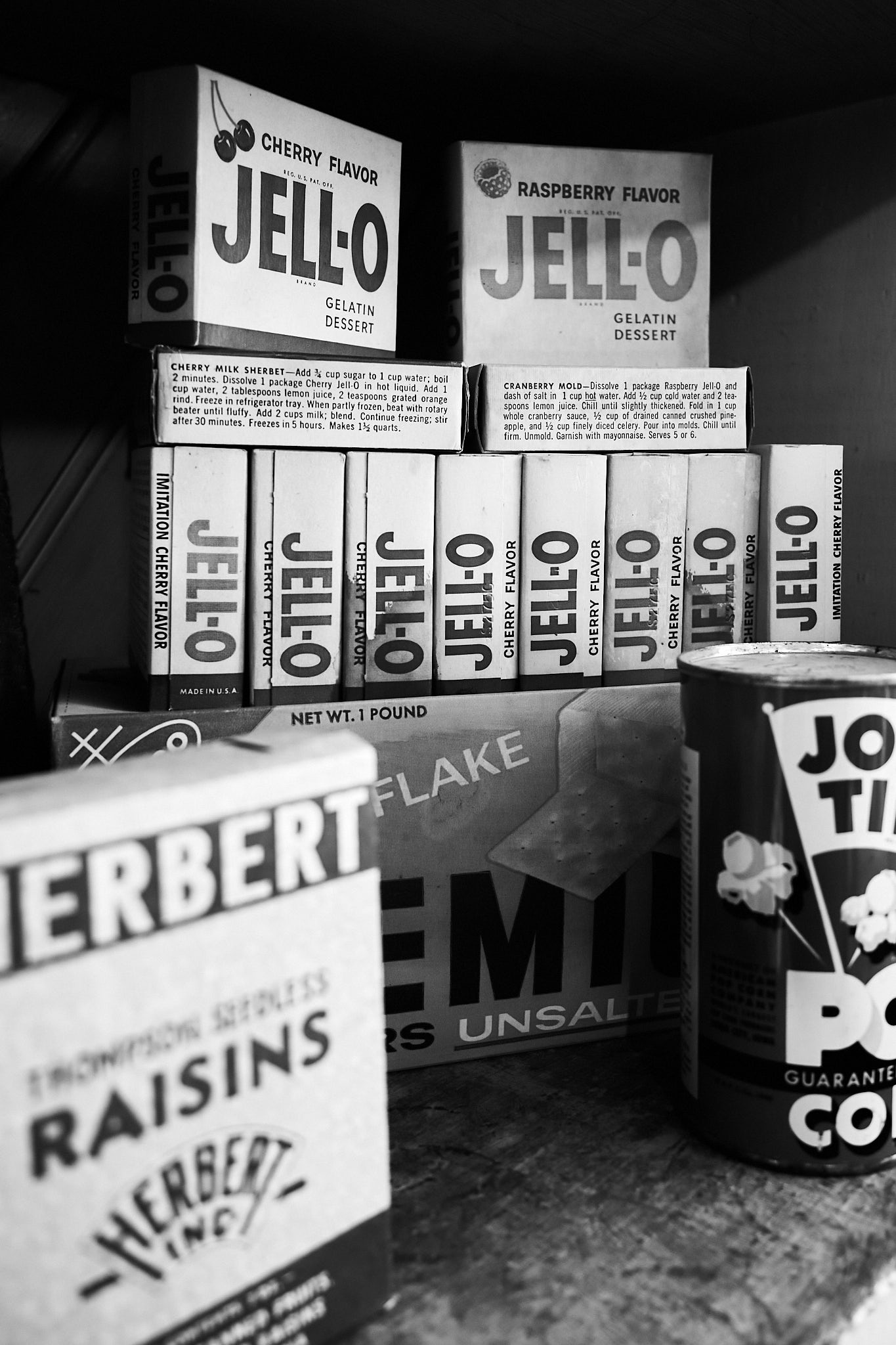
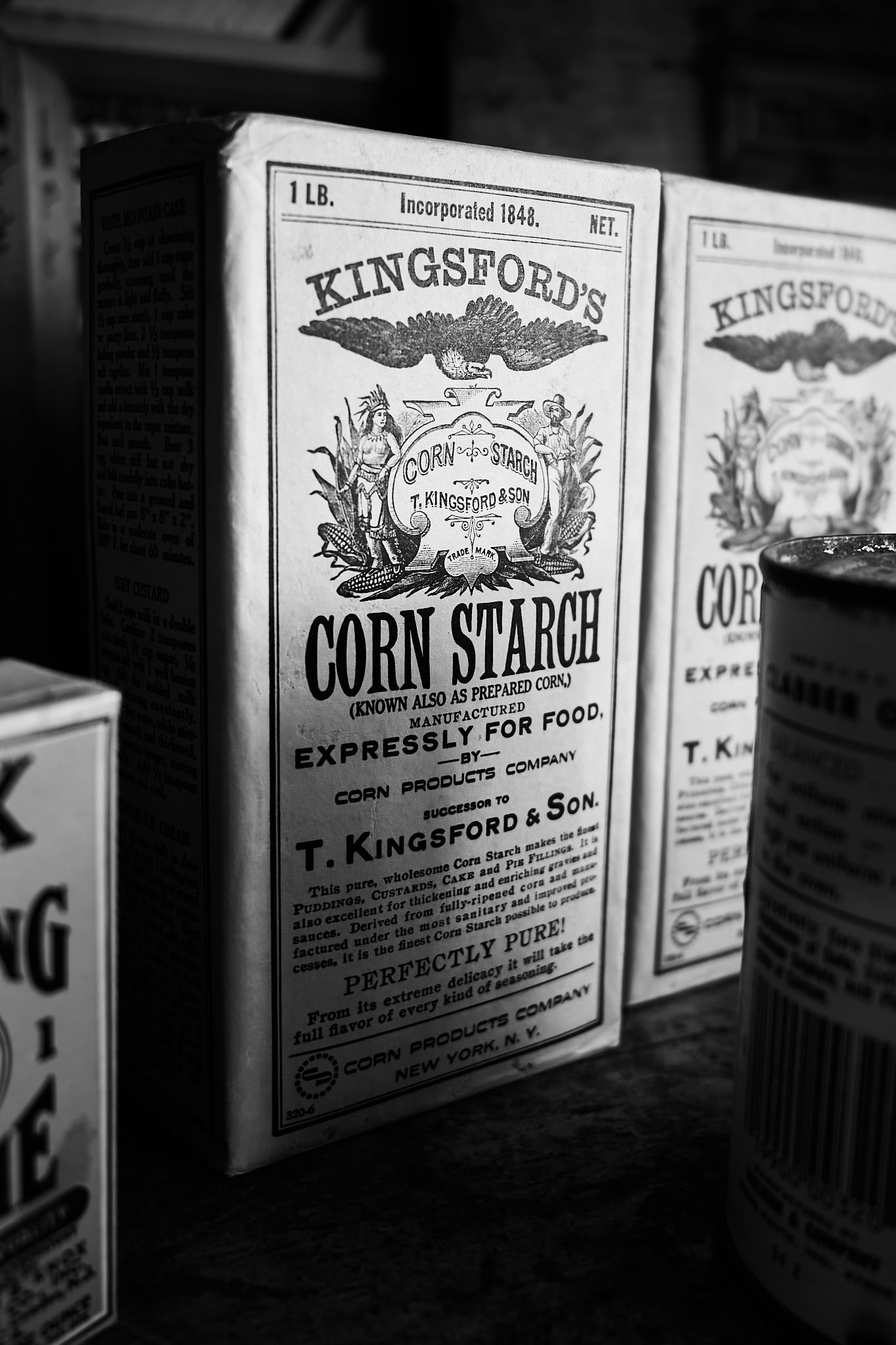
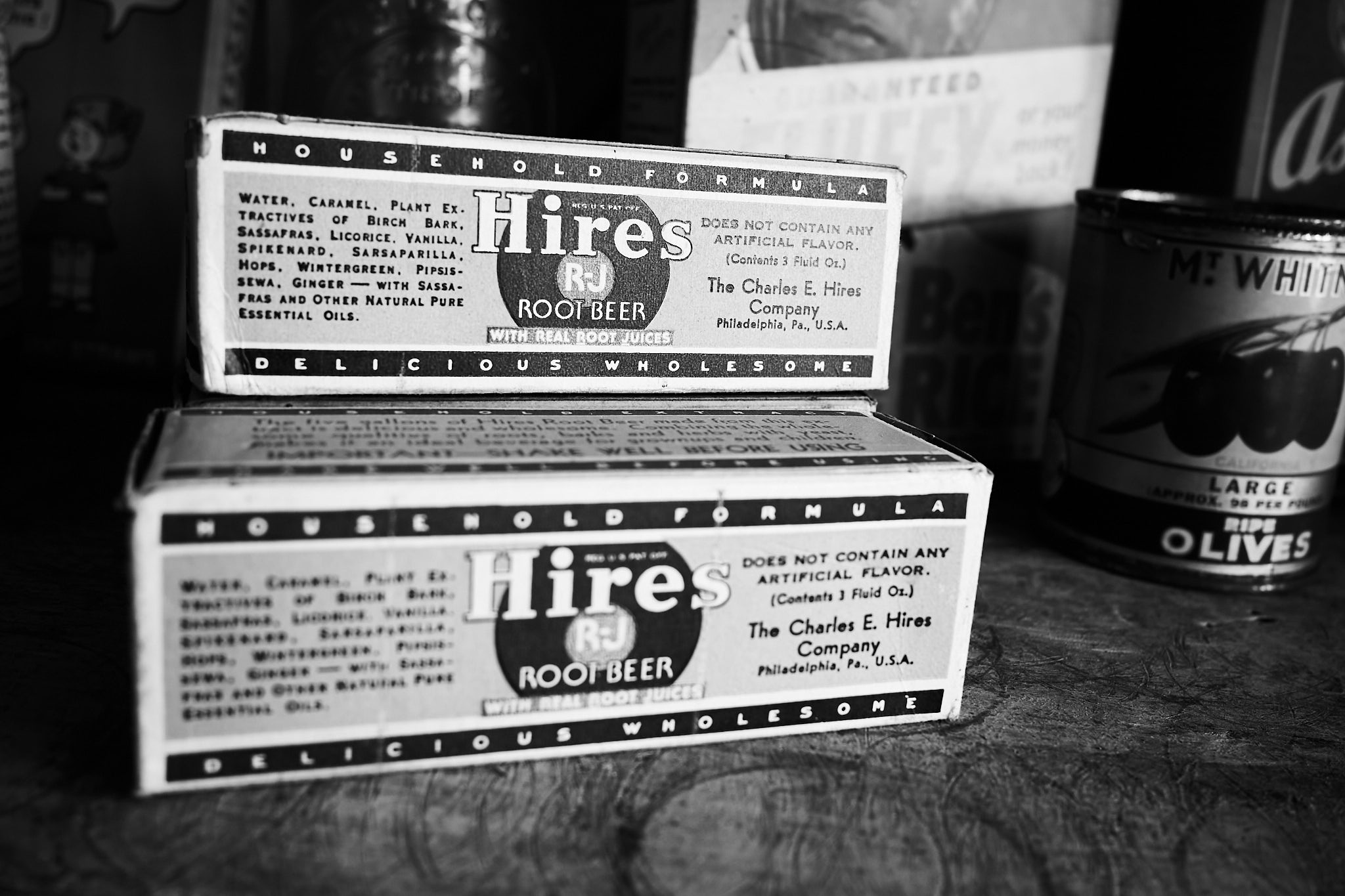
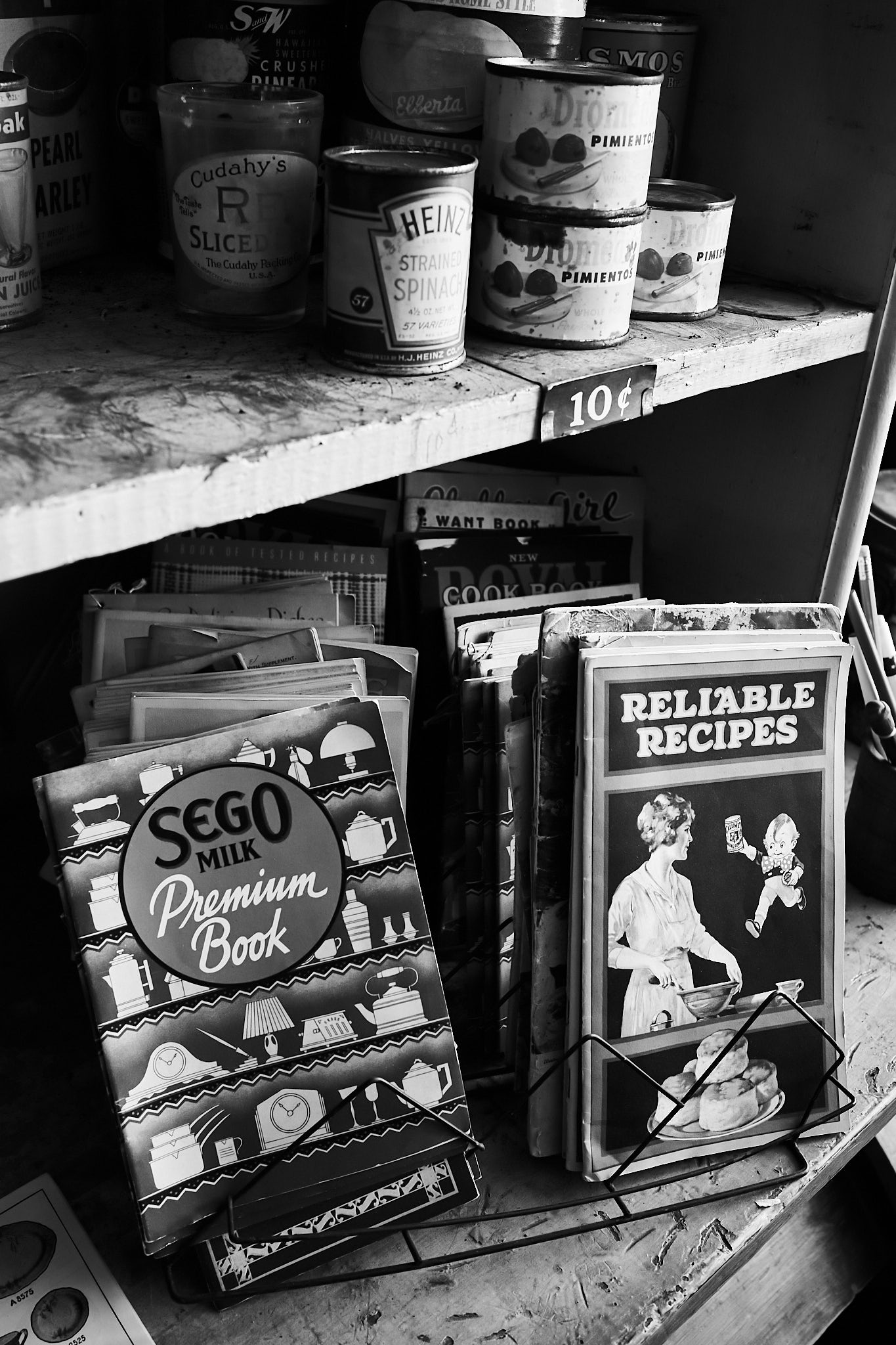
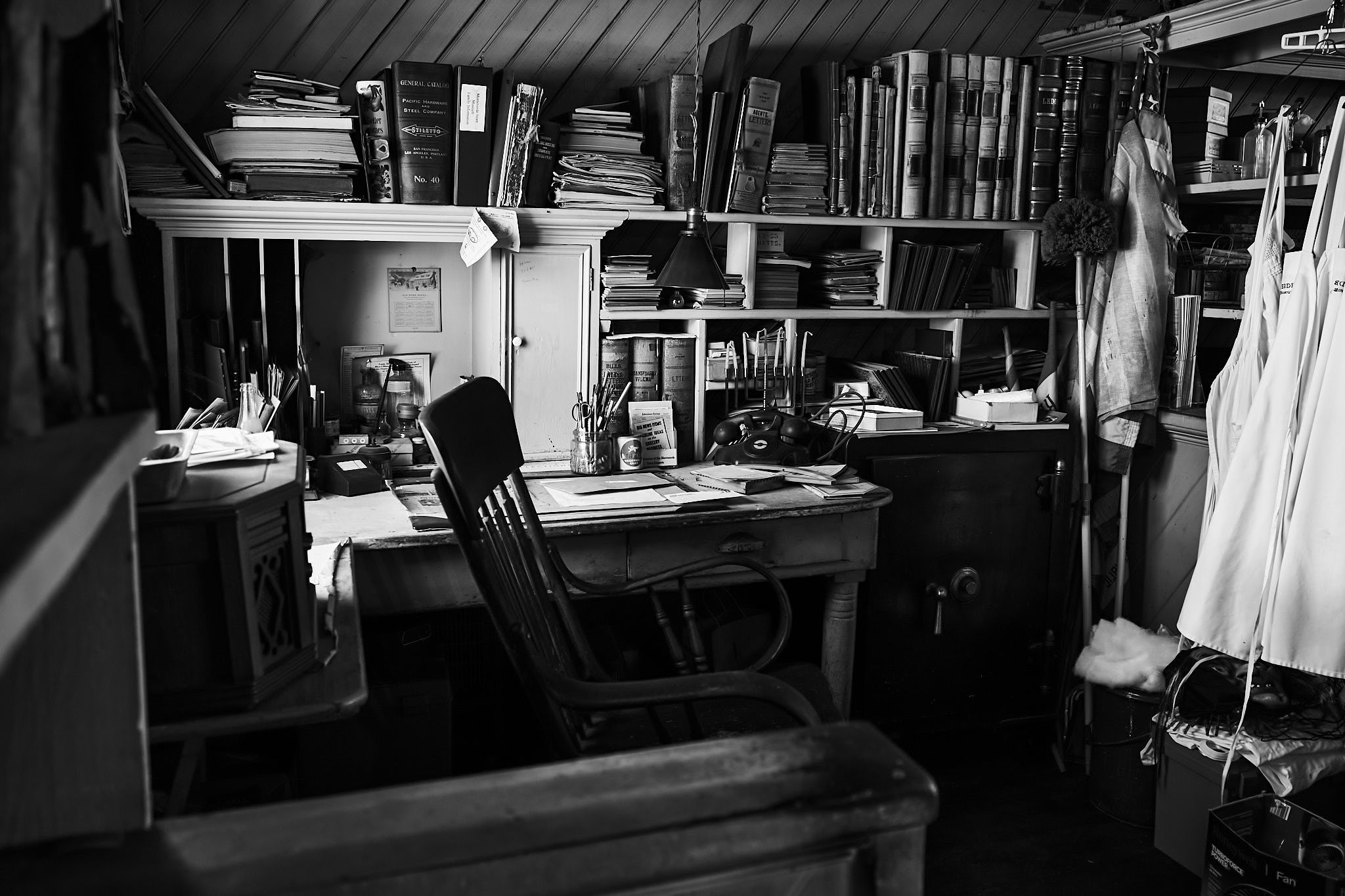
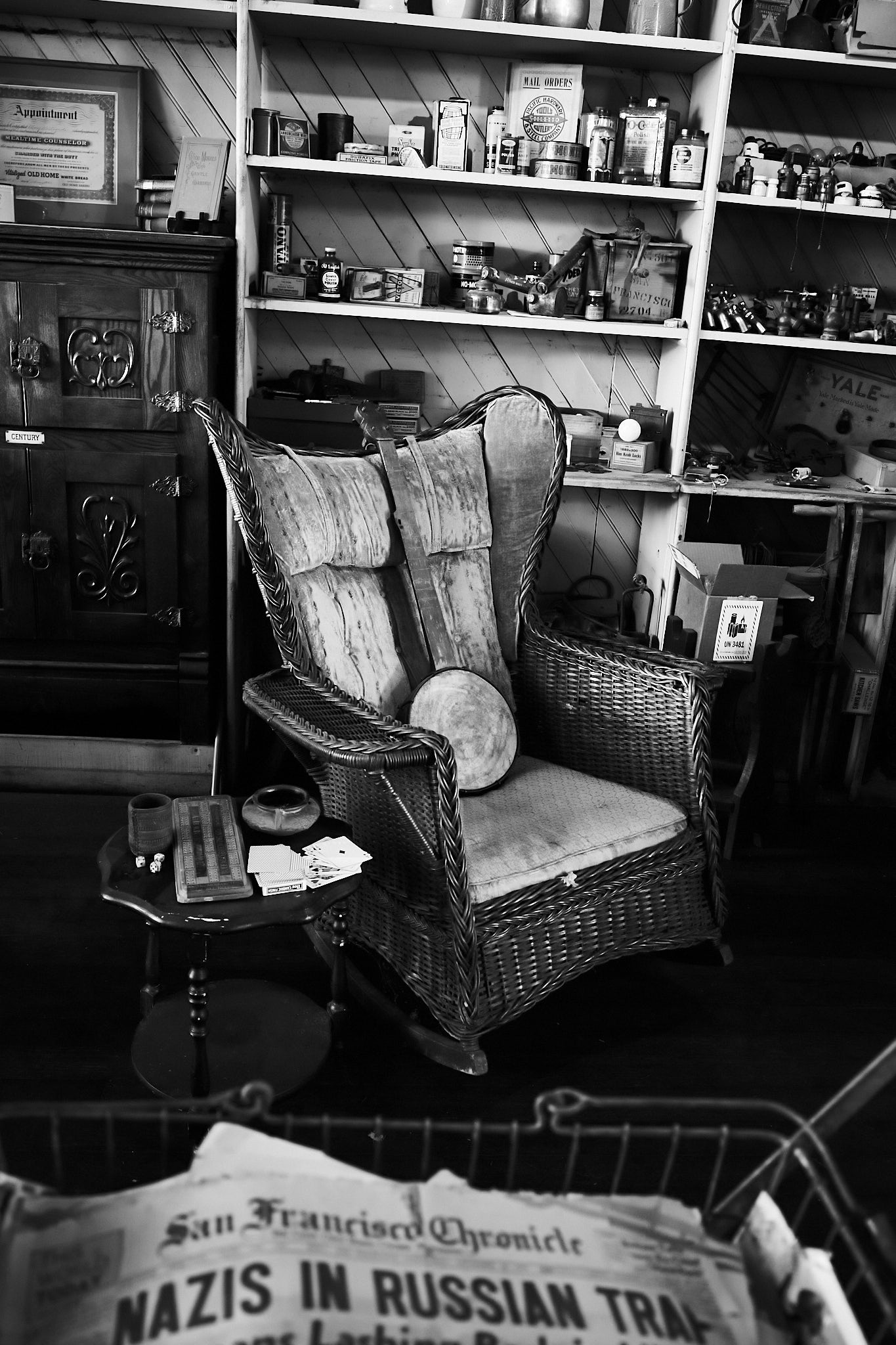
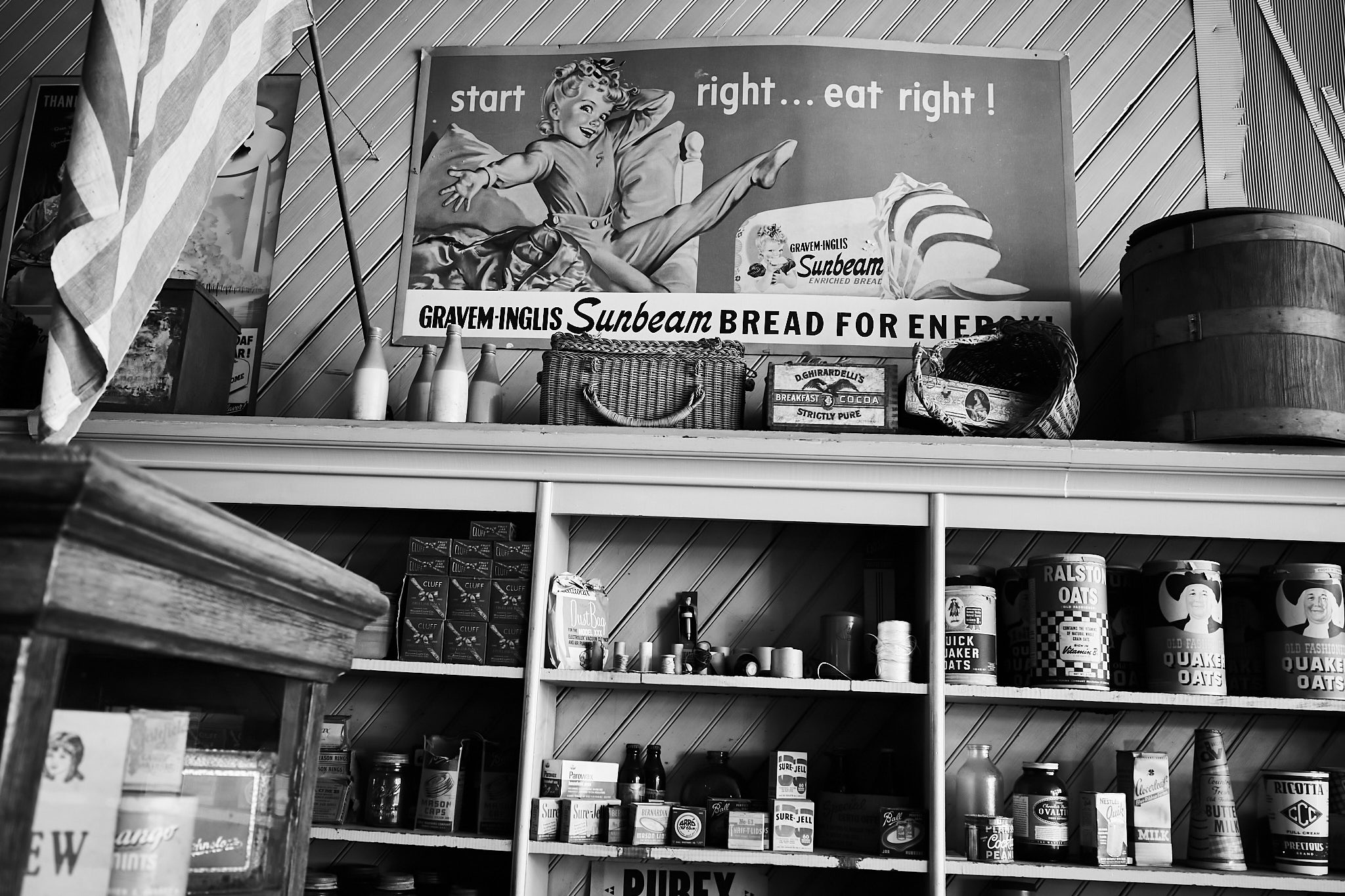
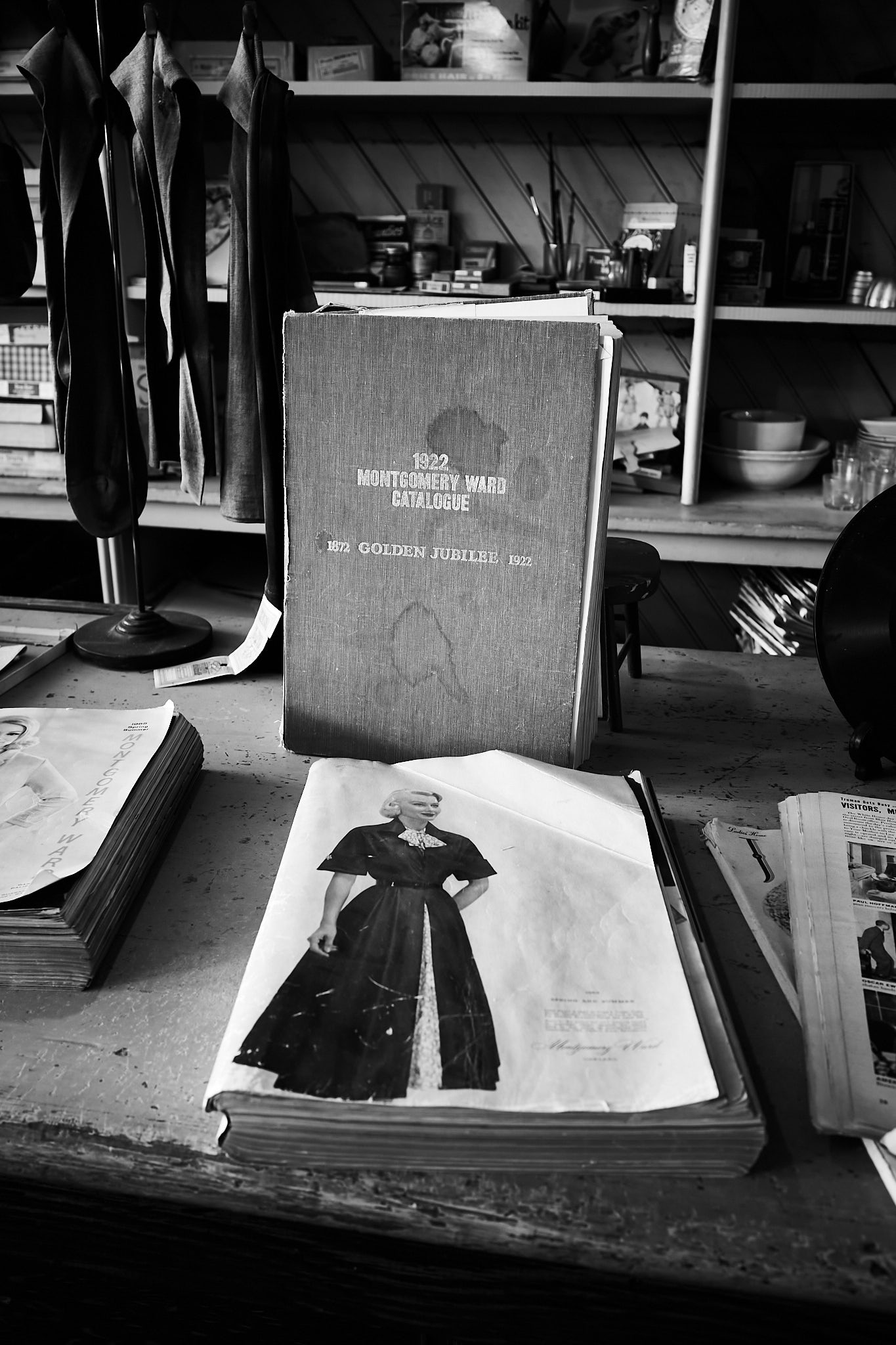
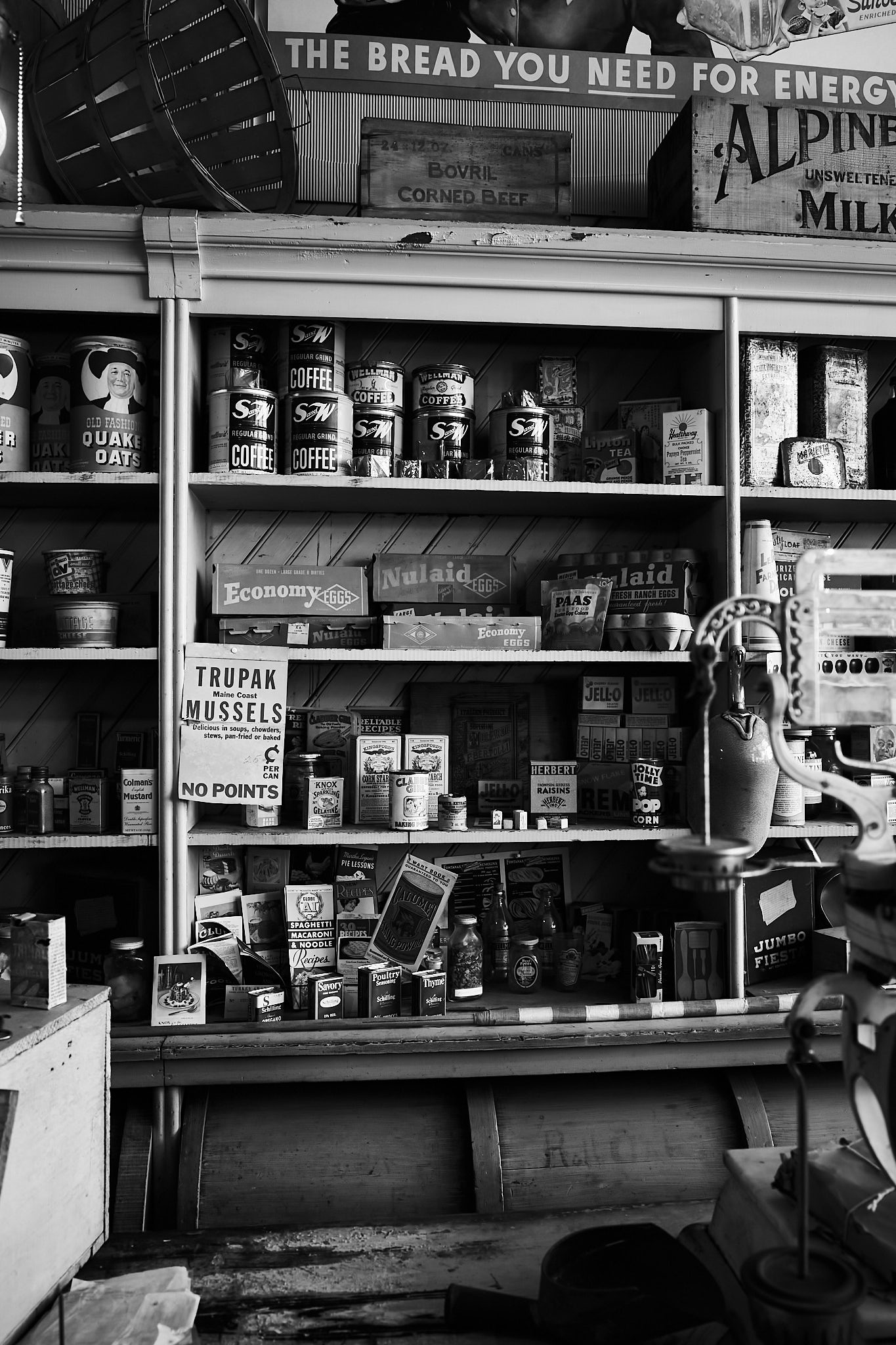
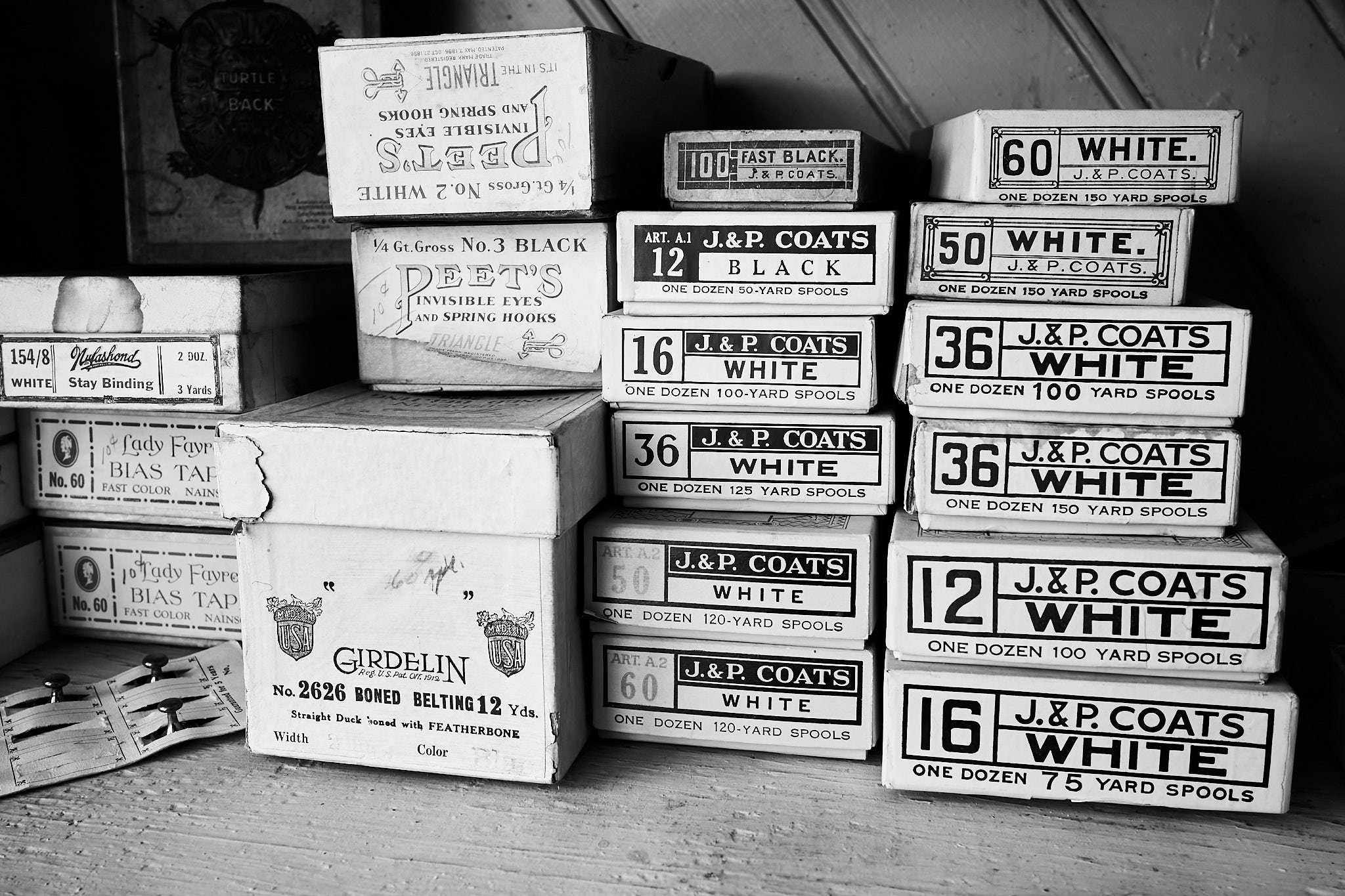
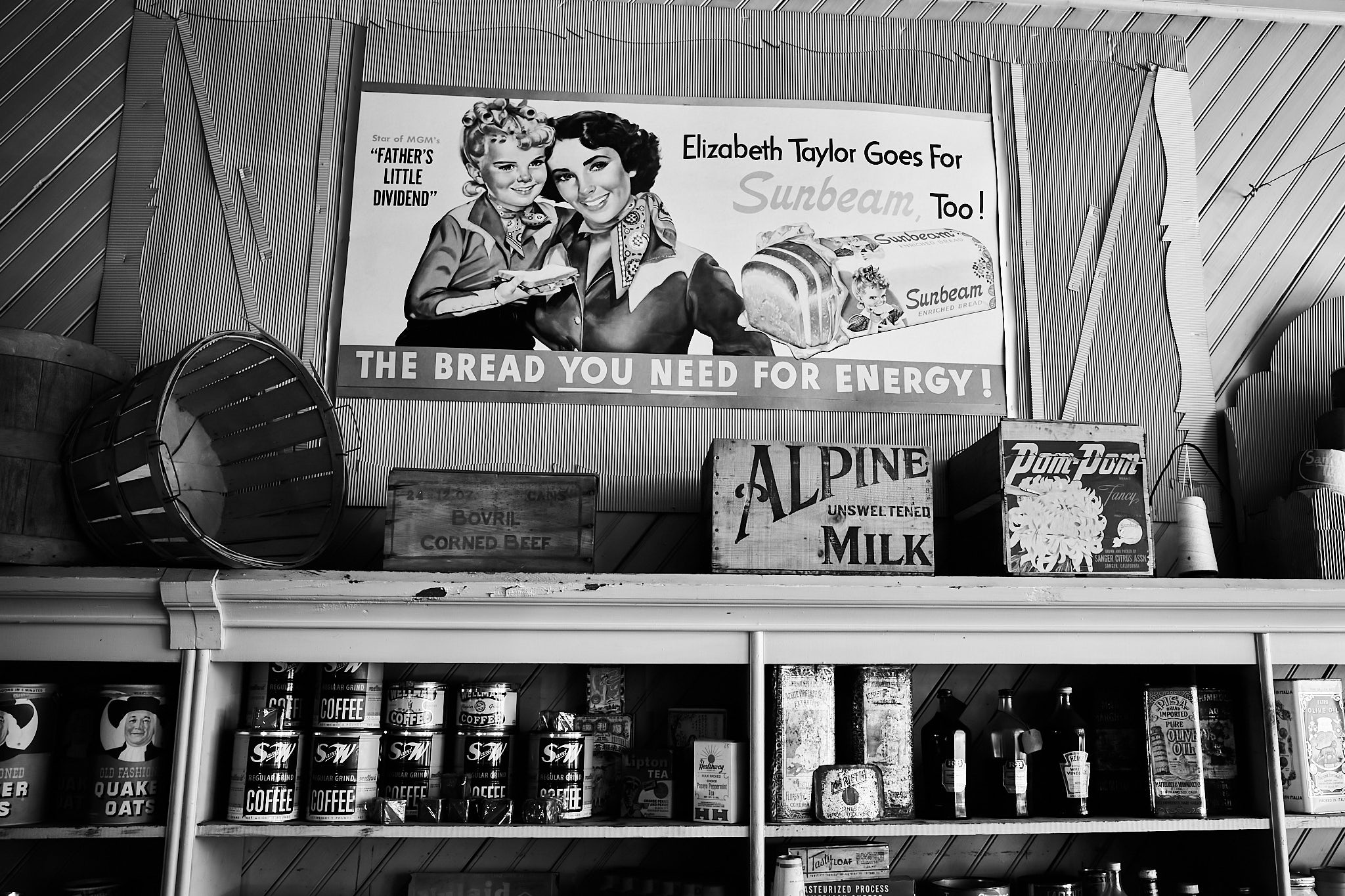
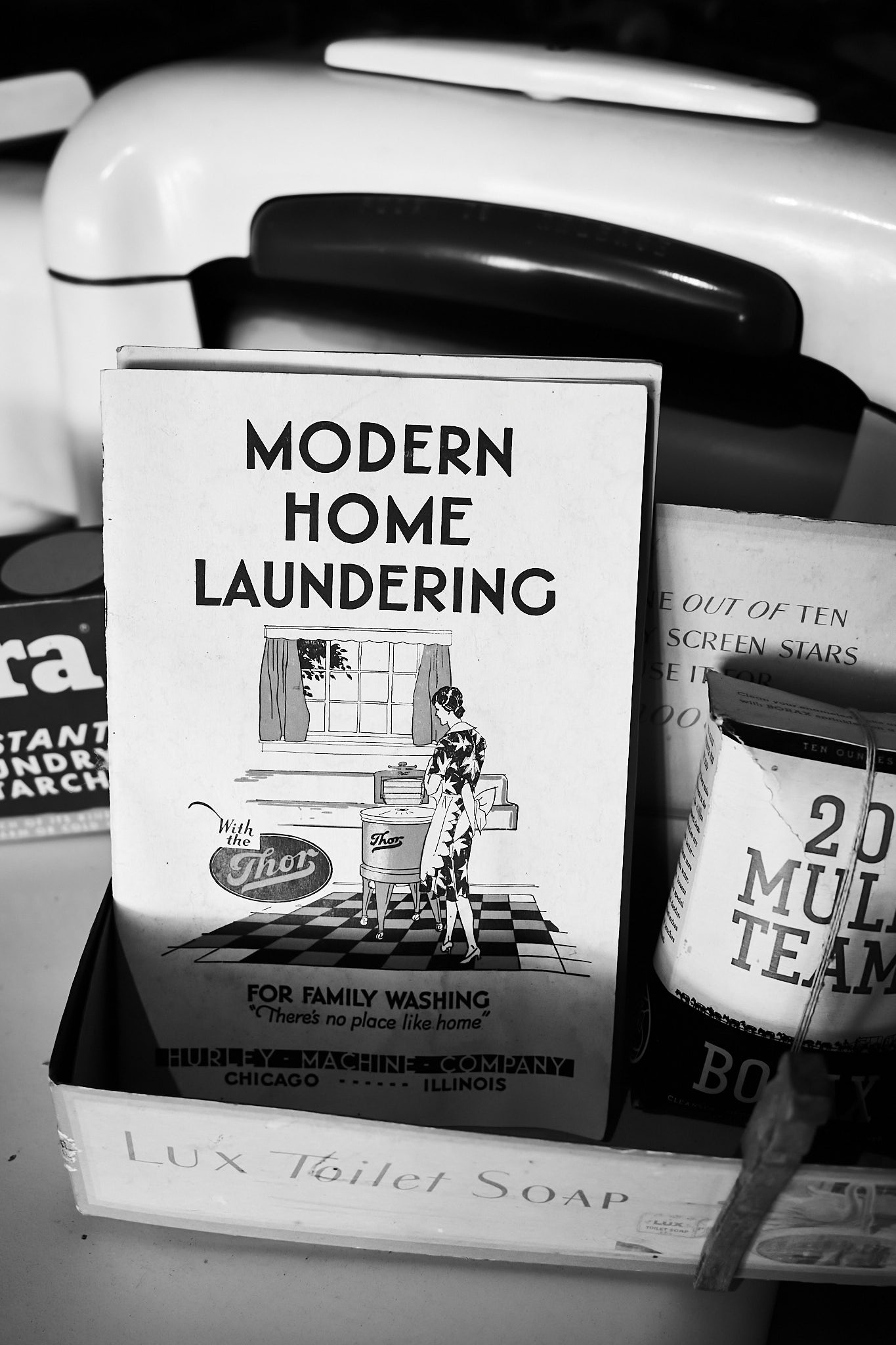
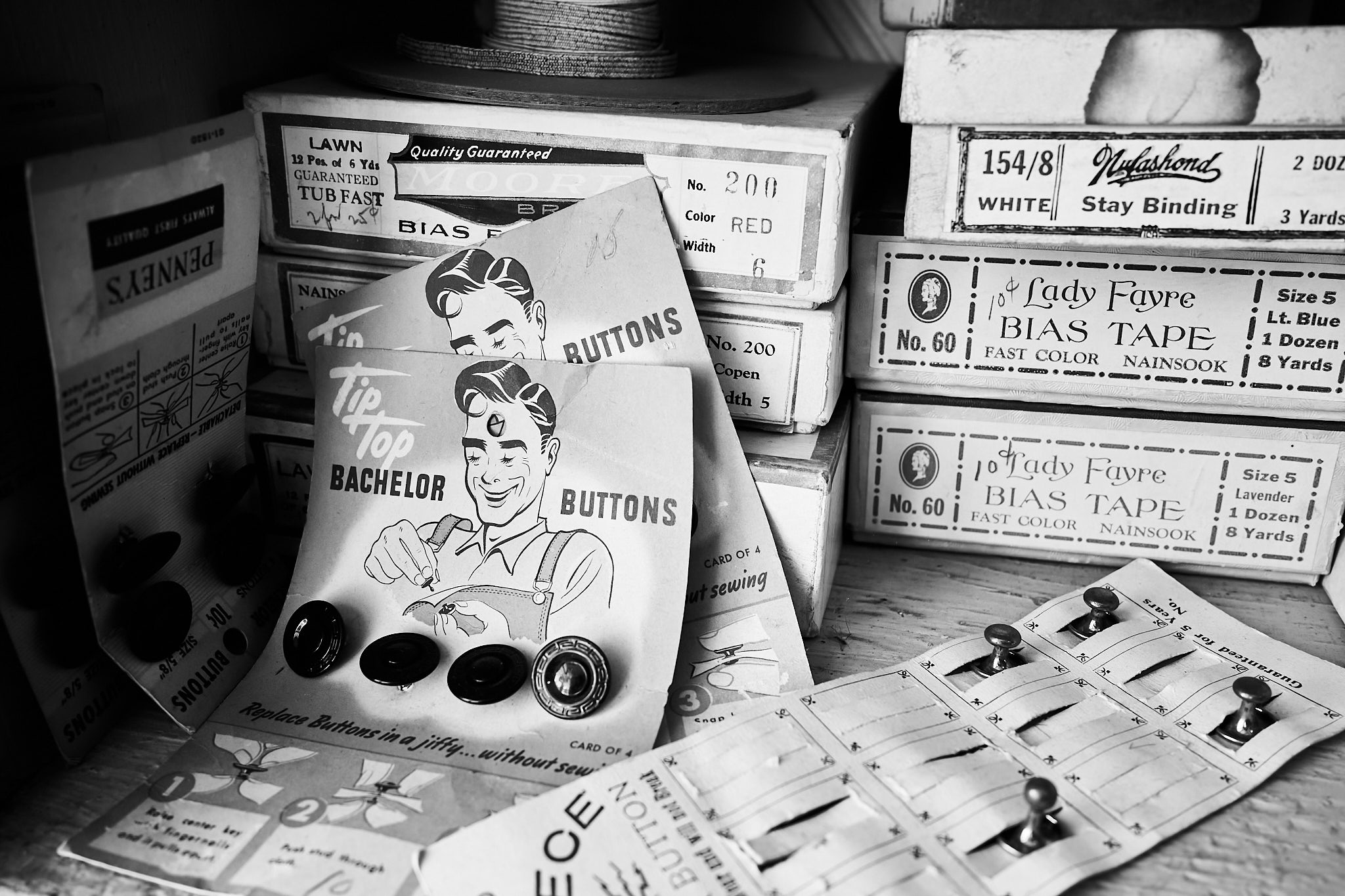
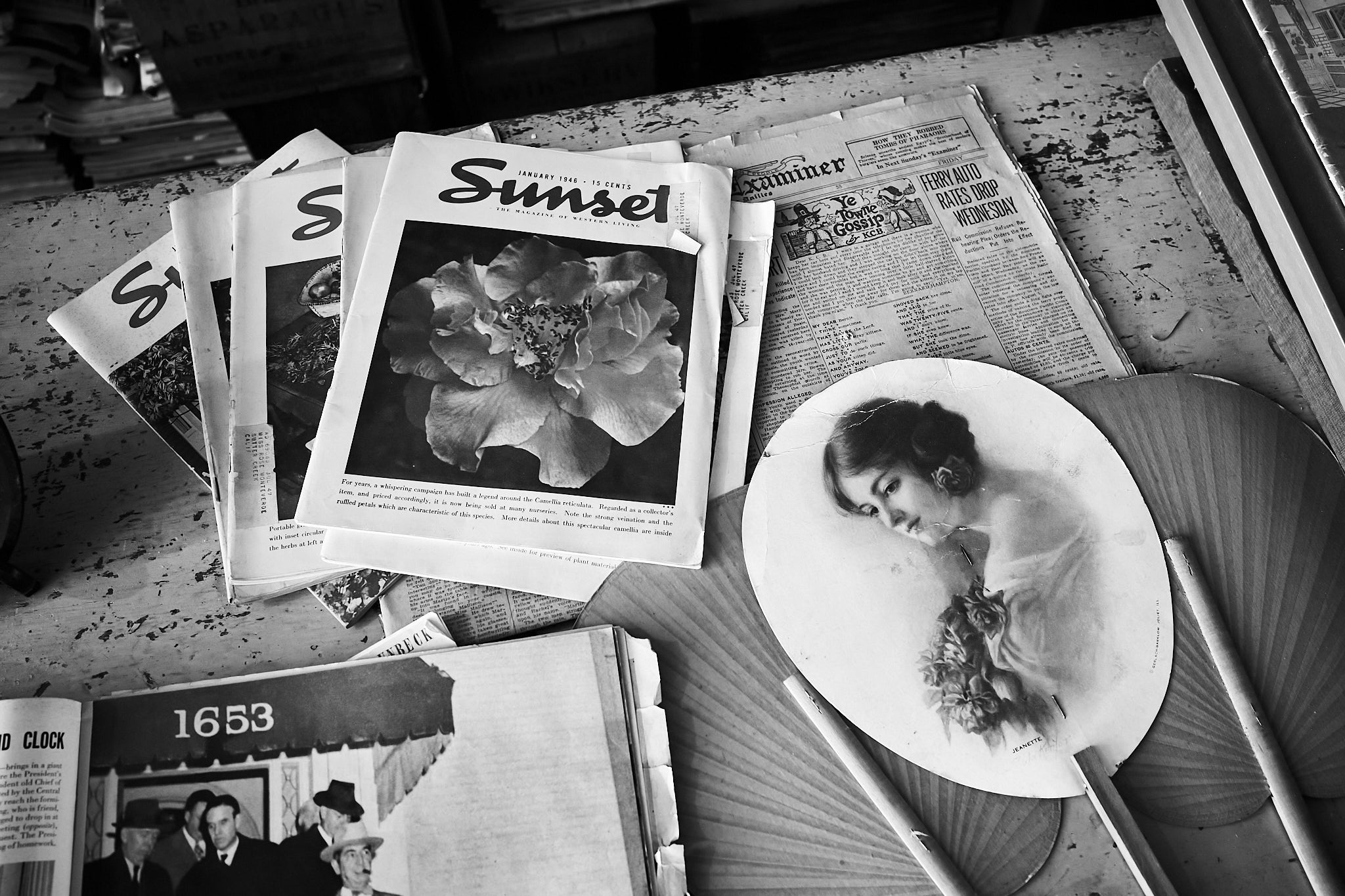
Image Quality
This is where the Ricoh GR IV Monochrome earns its keep. Because the sensor doesn’t have to “guess” colors through interpolation, the files are strikingly sharp.
- Extreme Low Light: With an ISO range reaching up to 409,600, this camera thrives in the dark. The noise (grain) at high settings looks organic and film-like rather than digital and “muddy.”
- Tonal Depth: The gradients from deep blacks to bright highlights are silky smooth.
- Image Stabilization: The built-in 6-stop Shake Reduction system allows you to take sharp handheld photos at slow shutter speeds, perfect for capturing motion blur in the city without a tripod.
Who is the Ricoh GR IV Monochrome for?
This camera is for the photographer who:
- Wants to improve their composition by focusing purely on light, shadow, and texture.
- Desires an “invisible” camera for candid family photos or street scenes.
- Values simplicity and “pocketability” over carrying bulky gear.
- Finds themselves constantly converting their smartphone photos to black and white in post-processing.
Final Thoughts
The Ricoh GR IV Monochrome is a bold statement in a world obsessed with megapixels and 8K video. It is a specialist tool that does one thing—black and white photography—better than almost anything else on the market. While the $2,199 price tag is a step up from the standard color model, the gains in image “soul” and low-light performance make it a compelling, lifelong tool for the artistic soul.
Individual Training and Digital Photography Consultation
Unlock Your Photography Potential with Personalized 1:1 Coaching.
Elevate your digital photography skills with a dedicated, one-on-one session led by Gino Creglia, a seasoned expert in the field.
Tailored Zoom Consultations: Whether you’re just starting your photography journey or you’re a seasoned professional looking to refine your craft, our private Zoom sessions are entirely customized to your unique needs and preferred genre. Expect a consultation designed to directly address your challenges and help you achieve your specific goals.